

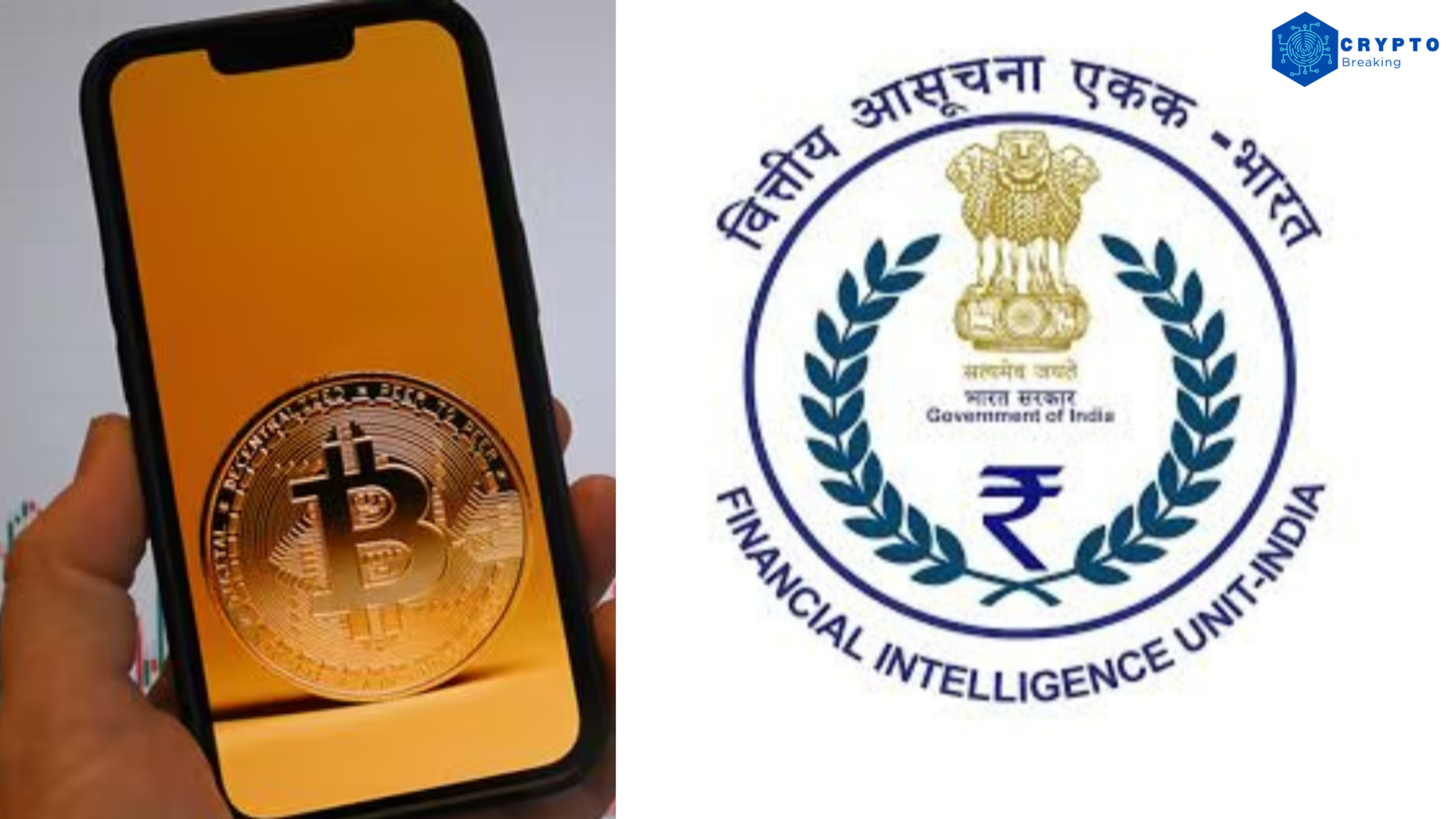
India’s Financial Intelligence Unit (FIU-IND) has issued non-compliance notices to 15 Virtual Digital Asset Service Providers and ordered the immediate takedown of their apps and websites.
The Director of FIU-IND acted under Section 13 of the Prevention of Money Laundering Act, 2002, after finding that these platforms continued to serve Indian users without registering as reporting entities. Officials also invoked provisions of the Information Technology Act to direct intermediaries to block public access to the listed platforms.
15 crypto platforms
- Weex (Weex International Exchange LTD)
- Blofin (BLF Global Limited)
- Rezorex (RezorEx)
- Bitunix (Bitunix LLC)
- DigiFinex (DigiFinex Ltd)
- Toobit (Hopeful Technology Co. Ltd.)
- XT.com (Fibtc Ltd / XT TECHNICAL PTE. LTD.)
- Latoken (LAtrade Ltd)
- WOO X (Wootech Limited)
- Pionex (Marketa Trading Inc.)
- ChangeNow (CHN Group LLC)
- SimpleSwap (SimpleSwap LTD)
- Fixedfloat (FFGX Group LLC)
- WhiteBIT (UAB Clear White Technologies)
- Guardarian (FinSeven CZ)
Compliance rules for crypto platforms in India
Since March 2023, the government has brought Virtual Digital Asset Service Providers under the Prevention of Money Laundering Act. Any platform — whether based in India or overseas — that offers services to Indian users must follow these rules:
Mandatory registration
Platforms must register with FIU-IND as a Reporting Entity. Registration is activity-based and does not depend on having a physical office in India.
Covered activities
The rules apply to entities that exchange virtual digital assets for fiat currency, transfer virtual digital assets, provide safekeeping or administration of virtual digital assets, or offer instruments that enable control over them.
Reporting obligations:
Registered platforms must maintain detailed records of clients and transactions, file Suspicious Transaction Reports (STRs), and comply with all anti-money laundering and counter-financing of terrorism requirements.
Also read: Why Stablecoin Regulations May Need a Wider Net
Record-keeping and due diligence:
Platforms must follow know-your-customer (KYC) norms, monitor transactions, and keep records for the prescribed period.
Consequences of non-compliance:
FIU-IND can issue notices under Section 13 of the PMLA, impose monetary penalties, and order the takedown of apps and websites under the Information Technology Act.
The latest action continues FIU-IND’s drive against offshore platforms that serve Indian customers without registration. Earlier rounds of notices and penalties have already forced several unregistered exchanges offline in India.
At the same time, Indian crypto investors operate under a strict tax regime. Gains from the transfer of virtual digital assets attract a flat 30 per cent tax, plus surcharge and cess. Only the cost of acquisition is deductible. A 1 per cent tax deducted at source applies on eligible transfers, and every transaction must be reported in Schedule VDA of the income-tax return.
Losses face particularly harsh treatment. Investors cannot set off VDA losses against any other income, including gains from other cryptocurrencies. They also cannot carry those losses forward to future years. Any loss simply expires at the end of the financial year.
In its statement, FIU-IND reminded the public that crypto products and NFTs remain unregulated in India and carry high risk. Investors who suffer losses may find no regulatory recourse.
 Bureau
  Khushi Sikarwar